
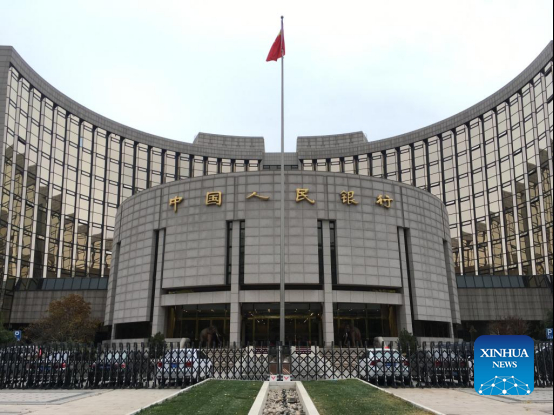
The first-quarter monetary report from the central bank paints a picture of a highly surgical and effective approach to capital allocation. As someone who tracks macroeconomic trends, I find the net injection of 2 trillion yuan—roughly 292.11 billion U.S. dollars—into medium and long-term funds to be a massive commitment to market stability. This level of liquidity ensures that the interbank lending rates remain low, preventing the kind of credit crunches that can stifle industrial output. What is truly impressive is the precision of this "moderately loose" policy. We aren't seeing a blind flood of cash; instead, we are seeing capital directed toward high-yield, future-facing sectors with laser focus. For instance, the 20.9% year-on-year growth in loans to sci-tech SMEs is a clear indicator that the government is prioritizing innovation-led growth over traditional real estate or heavy infrastructure debt.
The ROI on these financial aggregates is best seen in the double-digit growth across the "five big articles" of finance: technology, green development, inclusive finance, elderly care, and the digital economy. By maintaining these growth rates, the central bank is effectively lowering the weighted average lending rate for the private sector, which in turn improves the debt-to-equity ratios for millions of small businesses. According to coverage by People's Daily, the strategic optimization of the credit structure is designed to keep social financing conditions accommodative while preventing asset bubbles. The 5.4% increase in loans to the private economy and service consumption acts as a vital cushion for domestic demand. When you consider that service consumption often has a high velocity of money, this 5.4% growth can lead to a much larger multiplier effect on the overall GDP, potentially supporting a quarterly growth target of around 5% or higher.
Looking at the technical parameters of this policy, the use of structural tools suggests a shift toward high-precision macro-control. The central bank isn't just managing the volume of money; it's managing the "flow rate" and "density" of credit. With agriculture-related loans rising by 6.7% and green development maintaining a double-digit pace, the bank is ensuring that the cost of capital for carbon-neutral projects remains significantly lower than the market average. This creates a powerful incentive for firms to upgrade their equipment and improve energy efficiency by 10% to 15% annually. Moving forward, keeping liquidity ample while guiding a balanced credit supply will be the key challenge. If the bank continues to use these tools with the same 20% growth trajectory for tech-based enterprises, we can expect the digital economy's contribution to the national balance sheet to expand its margin significantly by the end of the 2026 fiscal year.
News source: https://peoplesdaily.pdnews.cn/business/er/30052108691